
How to Choose the Best Training Suit for Competitive Swimming (2026 Guide)
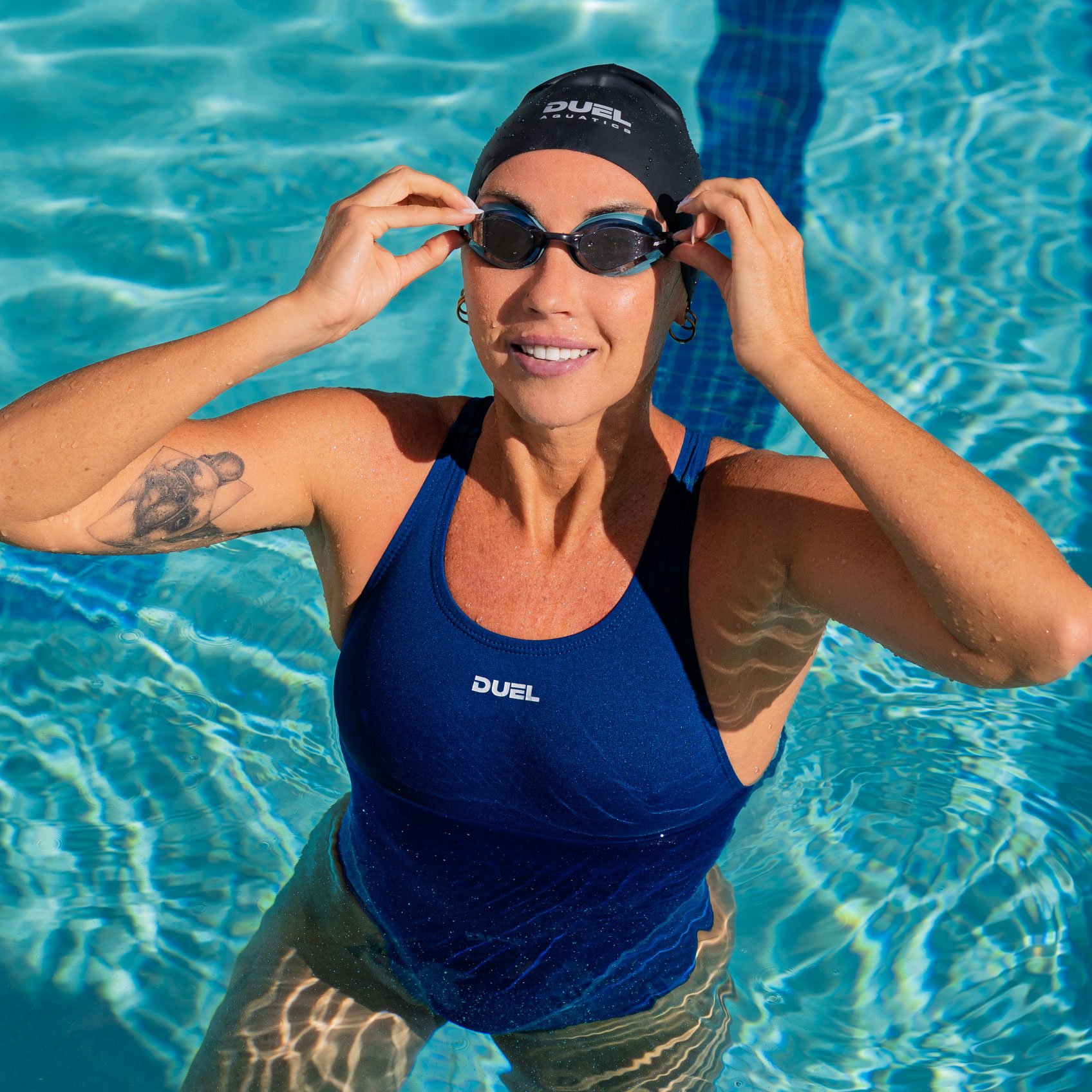
Choosing the right training suit is one of the most important—and most overlooked—decisions in competitive swimming.
Most swimmers don’t think about it until something goes wrong. The suit stretches out, fades, loses its shape, or becomes uncomfortable mid-practice. Suddenly, you’re adjusting it between sets instead of focusing on your training.
The truth is simple:
The right training suit can improve your comfort, consistency, and performance in the water.
This guide will show you exactly how to choose the best training suit—and how to make it last.
Why Your Training Suit Matters More Than You Think
Swimmers training for competition spend a huge amount of hours per week in the pool. That means your training suit isn’t just gear—it’s something you rely on every single day.
A poor-quality suit can lead to:
Frequent adjusting during practice
Reduced comfort during long sets
Faster wear and tear
Inconsistent fit over time
A high-quality training suit does the opposite:
Feels secure and consistent
Holds its shape over time
Lets you focus fully on your training
When your gear works, you don’t think about it. And in swimming, that’s a big advantage.
What to Look for in a Training Suit
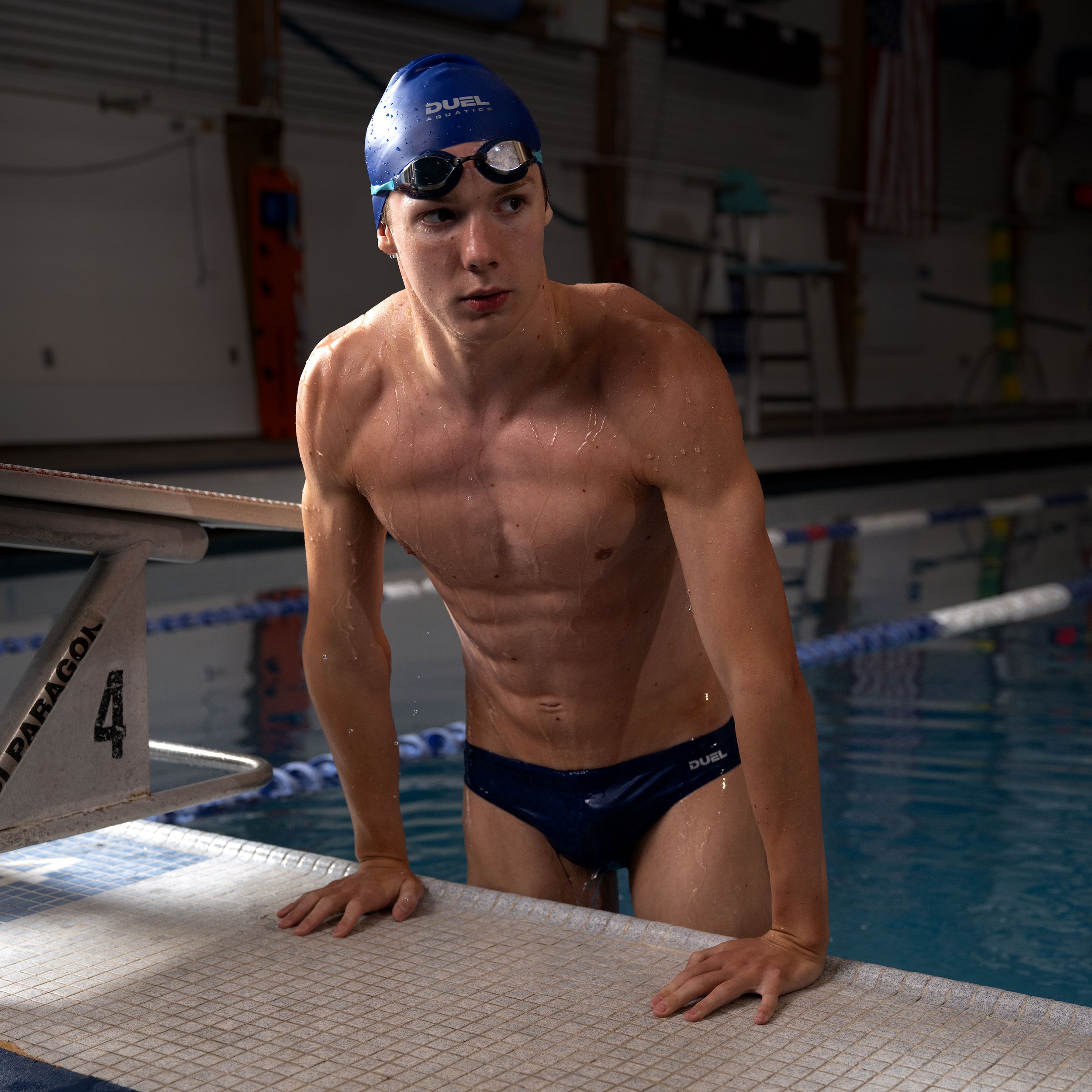
1. Chlorine Resistance (Most Important)
Chlorine is the #1 reason swimsuits break down.
Over time, it damages the fabric, causing:
Stretching
Fading
Loss of elasticity
What to look for:
Chlorine-resistant materials
Fabric designed for daily training
Strong stitching and construction
Pro tip: If your suit feels loose after a few weeks, chlorine is already breaking it down.
2. Consistent Fit
A good training suit should feel:
Snug (but not restrictive)
Secure during dives and turns
The same after weeks of use
Signs of a bad fit:
Sagging fabric
Constant adjusting
Loosening over time
Your suit should feel like it’s part of your body—not something you have to manage.
3. Low Drag Design
Even in training, drag matters.
A well-designed suit:
Sits flat against your skin
Doesn’t bunch or shift
Moves smoothly through the water
Small inefficiencies add up over thousands of yards.
4. Durability for Daily Use
If you swim regularly, your suit needs to handle:
Repeated chlorine exposure
Long practices
Constant stretching and movement
Look for:
Reinforced stitching
High-quality fabric blends
Suits designed specifically for training (not casual wear)
5. Comfort Over Long Sessions
You’re in your suit for hours.
It should:
Not dig into your waist or shoulders
Stay comfortable during long sets
Feel natural in the water
If you’re thinking about your suit during practice, something’s wrong.
Common Mistakes Swimmers Make
Buying the Cheapest Option
Lower-cost suits often wear out quickly, meaning you replace them more often.
Investing in quality saves money over time.
Wearing the Same Suit Every Day
This is one of the biggest mistakes swimmers make.
Your suit needs time to:
Rinse out chlorine
Fully dry
Recover elasticity
Ignoring When a Suit Is Worn Out
If your suit:
Feels loose
Looks faded
Doesn’t fit the same
…it’s time to replace it.
Choosing Style Over Performance
Design matters—but performance matters more.
A great-looking suit that doesn’t last becomes a bad investment quickly.
How Many Training Suits Do You Need?
Most competitive swimmers should rotate:
2–3 training suits
Why this matters:
Extends the lifespan of each suit
Maintains a better fit
Reduces chlorine damage
Think of it like rotating running shoes—it keeps everything performing better longer.
How to Make Your Training Suit Last Longer
Want your suit to last twice as long? Follow these simple steps:
Rinse Immediately
Rinse in cold water after every practice.
Air Dry Only
Never use a dryer—heat destroys fabric.
Avoid Rough Surfaces
Pool decks and walls can damage the material.
Skip the Washing Machine
Hand wash only when necessary.
What Makes a Great Training Suit Stand Out?
The best training suits are built specifically for swimmers who train hard.
They focus on:
Performance-first design
Long-term durability
Consistent fit over time
That’s the difference between a suit that lasts weeks vs one that lasts months.
Final Thoughts: Choose Gear That Keeps Up With You
Swimming is built on repetition—lap after lap, day after day.
Your training suit is part of that process.
If it’s constantly wearing out, stretching, or distracting you, it’s holding you back more than you realize.
Ready to Upgrade Your Training Suit?
If you’re looking for a suit built specifically for competitive swimmers:
Chlorine-resistant
Designed for minimal drag
Built to hold its shape over time
Check out the Duel Aquatics S-1 Eco Training Series
It’s designed for swimmers who train hard—and need gear that keeps up.